Field notes from the grinder
The Coating Journal
Materials science, prep methodology and honest cost breakdowns for coating concrete in the hardest climate in the country.
Why we write this
Most coating content is a sales page wearing a lab coat
Search for “polyurea vs epoxy” and you will find a hundred articles that say polyurea is stronger, faster and better, then ask for your phone number. Almost none of them tell you what a glass transition temperature is, why it decides whether a garage floor in Phoenix survives its first August, or the specific circumstances in which epoxy is genuinely the smarter purchase. That gap is the reason this journal exists.
We are a dedicated polyurea, polyaspartic and polyurethane applicator working across Arizona — residential garages and pool decks through Phoenix, Mesa, Scottsdale, Chandler and Gilbert, industrial floors and containment linings in Tucson and the southern corridor, and freeze-thaw-rated specifications up in Flagstaff and Prescott where the whole design problem inverts. Working all three of those climates with the same material family teaches you quickly which properties actually matter and which ones are marketing.
Nearly every article here started as a conversation on a driveway. A homeowner in Gilbert holds three bids that range by a factor of three and cannot tell what the difference is. A facility manager in Tucson needs a dock apron back in service before the 5 a.m. inbound and has been told epoxy needs a week. Somebody in Scottsdale has a two-year-old floor that peeled a perfect oval under the driver’s side tire and wants to know whether it was the product or the installer. Those are answerable questions, and the answers involve real numbers — elongation percentages, CSP profile grades, mil thickness, moisture test methods, cure windows.
The other reason this exists is that Arizona is genuinely a different technical problem than the places most coating literature was written for. A garage slab in Phoenix can sit above 140°F in August, which is inside the softening range of common floor epoxies. A pool deck in Chandler takes ten hours of direct ultraviolet a day for five months straight. A warehouse floor in Tucson swings thirty degrees between a 5 a.m. dock opening and a 3 p.m. shift change. Meanwhile a garage in Flagstaff at seven thousand feet is fighting freeze-thaw cycling and de-icing salt. Advice written for a mild, shaded, temperate slab does not transfer, and following it is how a perfectly good product ends up failing in eighteen months.
So the standard we hold ourselves to here is simple. Every statement here should be traceable to a material property or a field observation. Cost discussion should name the variables that move a price rather than dangle a number that cannot survive contact with your actual slab. And when a competing material is the right call for a particular space, we should say so plainly instead of pretending our product family is universal. If polyurea is wrong for your floor, you deserve to hear that before you pay for it, not after.
Start with the complete three-way materials guide if you are choosing a system, or the prep and failure-mode breakdown if something you already paid for has started letting go.
All articles
Every piece in the journal

What a Polyurea Garage Floor Actually Costs in Phoenix
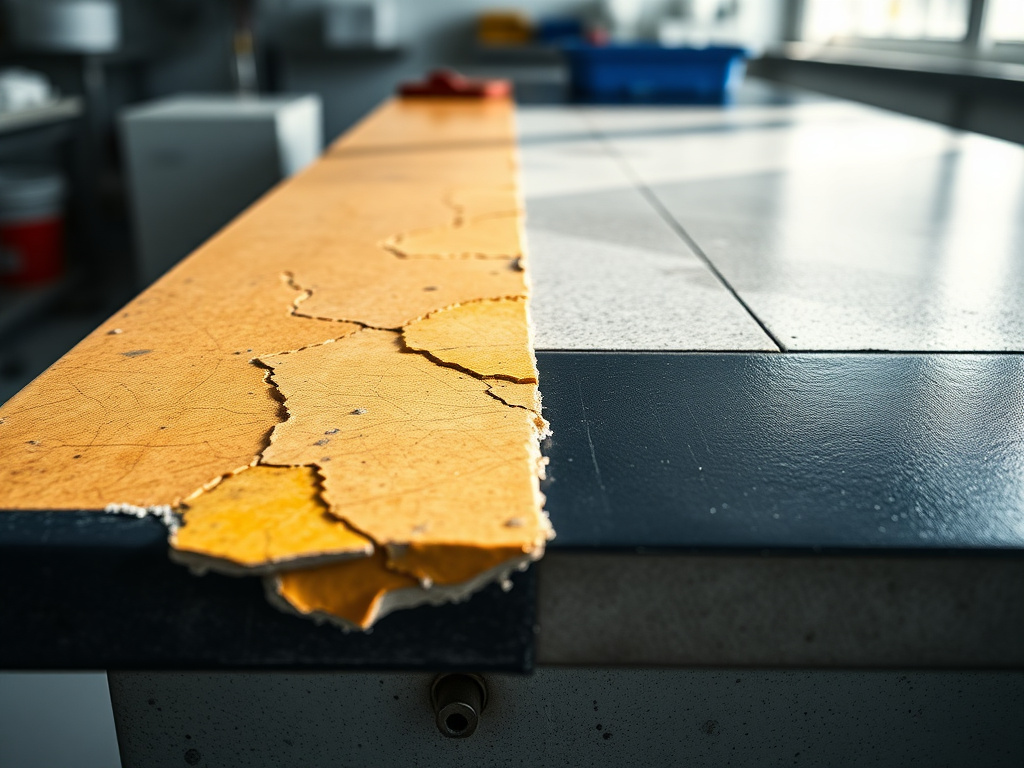
Square footage, slab condition, removing an old coating, moisture mitigation, finish system and site access — the six inputs that set the number, plus what a suspiciously cheap bid is leaving out.
Read article →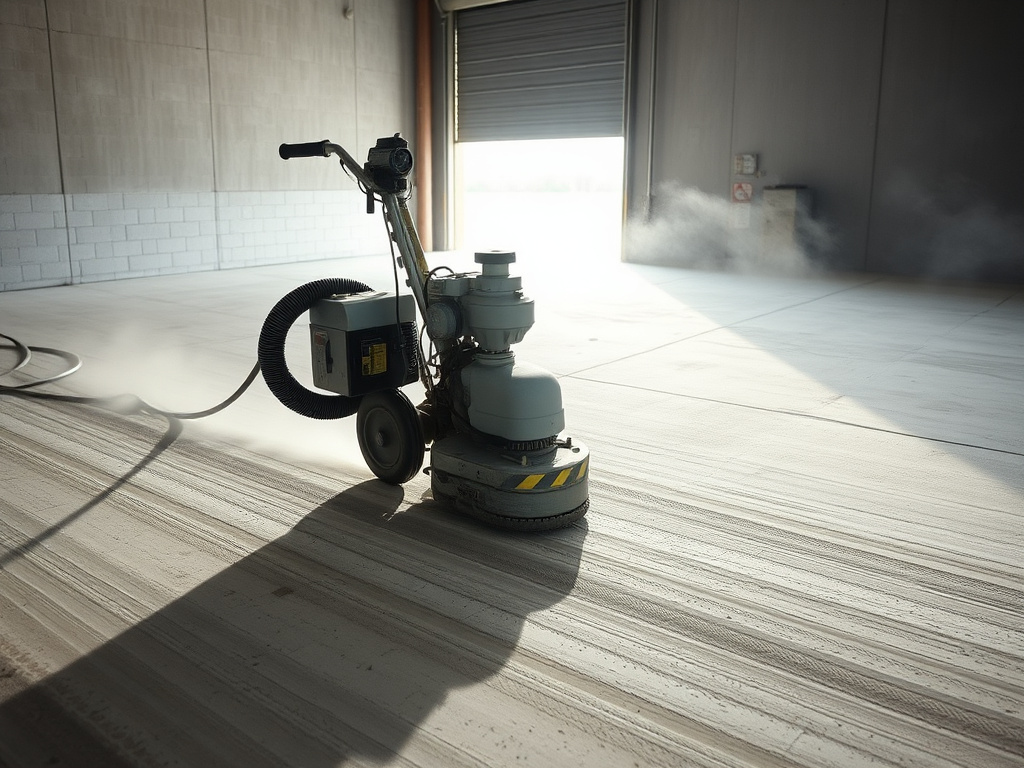
Why Garage Floor Coatings Peel in Arizona — and the 6 Prep Steps That Prevent It
Acid etching versus diamond grinding, verifiable CSP profile, moisture vapor transmission through older slabs, oil contamination, thin single-coat installs, and the heat and UV load unique to this state.
Read article →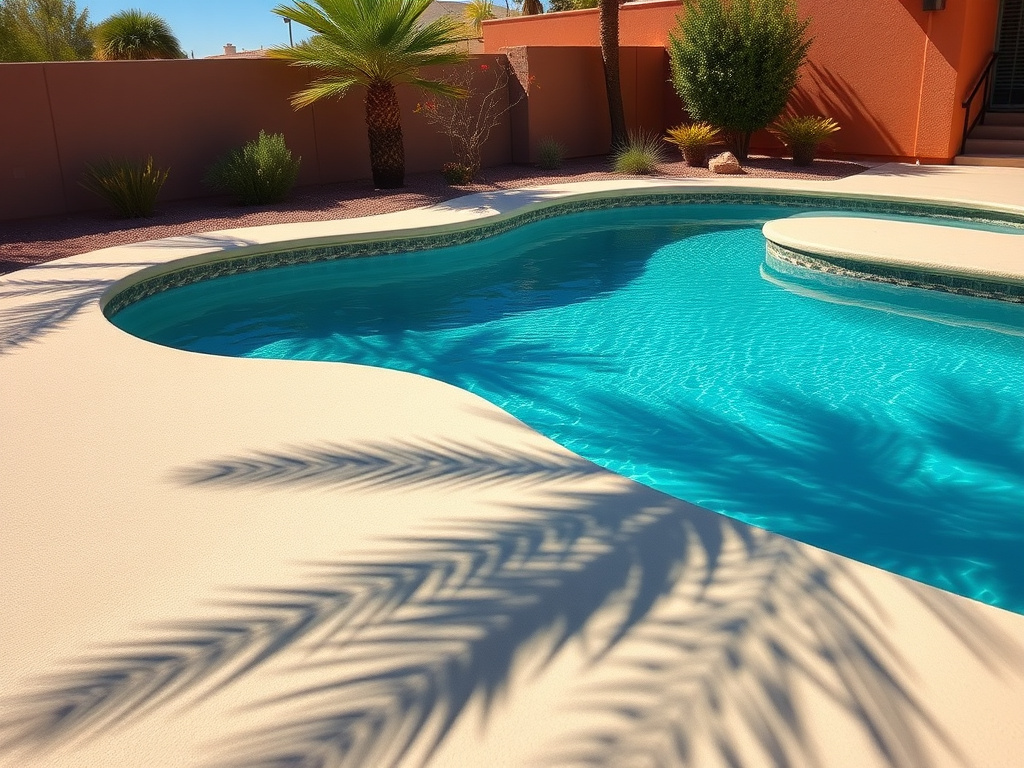
Pool Deck Coatings for Arizona Heat: Cool Deck vs Polyaspartic vs Pavers
Surface temperature, wet traction, chlorine and salt-system exposure and texture selection compared across four common deck surfaces — and what it takes to resurface a chalking twenty-year-old cool deck.
Read article →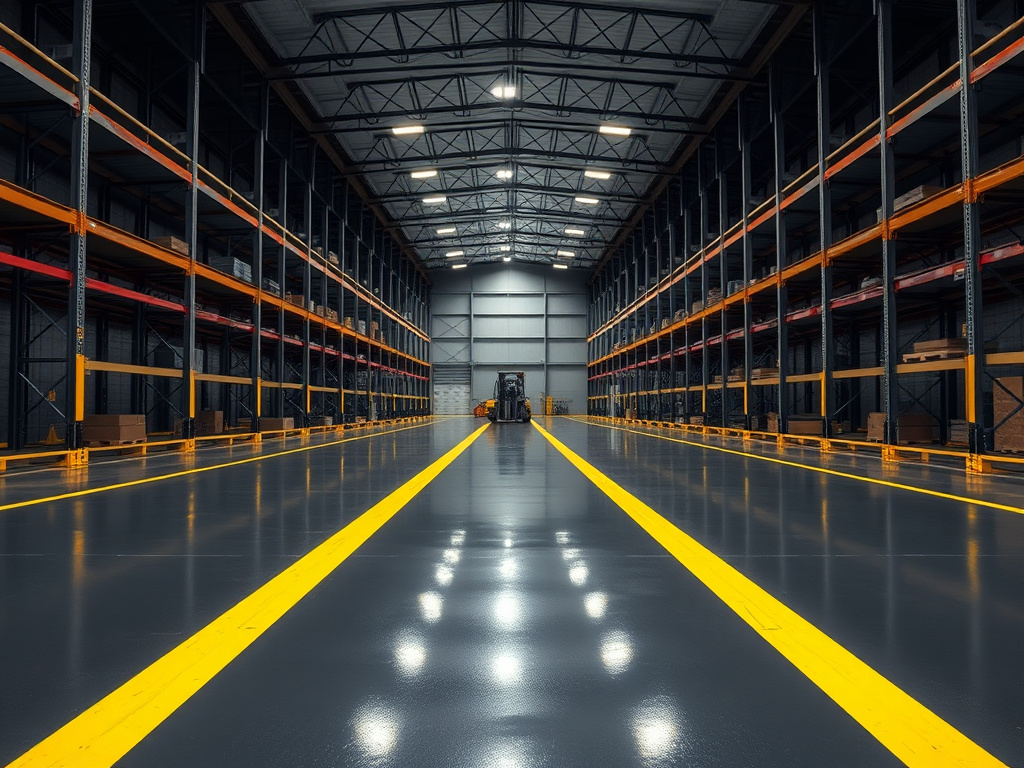
Choosing a Warehouse Floor Coating: Forklift Traffic, Chemicals, and Zero Downtime
Traffic classes by wheel type, high-build systems and why mils beat coat count, joint edge rebuild, writing a real chemical exposure list, and the return-to-service math behind phased industrial installs.
Read article →Get a free coating quote
Tell us the space, the slab and the finish you want. We'll come back with a scoped, itemized number — no obligation.