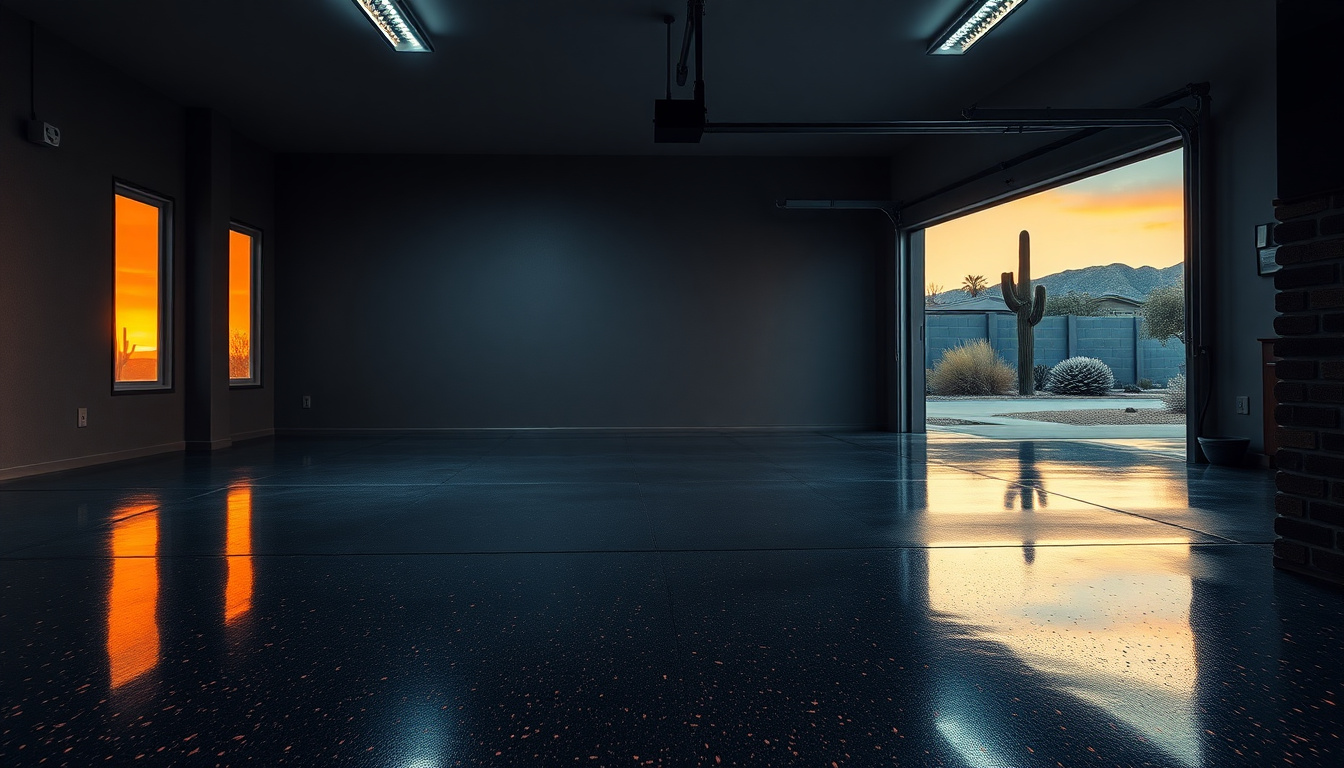
Arizona Statewide · Polyurea & Polyaspartic
Polyurea Floor Coatings Built For Arizona Heat
Seamless, UV-stable, chemical-resistant floor systems for garages, pool decks, warehouses and containment areas — installed in a single day and engineered for slab temperatures that destroy ordinary epoxy.
1 Day
Typical install
4×
More flexible than epoxy
UV Stable
Aliphatic topcoat
15 Yr
System warranty
Why this material, in this climate
Arizona is the hardest place in the country to keep a coating on concrete
A garage slab in Phoenix can sit above 140°F in August. A west-facing pool deck in Chandler takes ten hours of direct UV a day for five months straight. A warehouse floor in Tucson cycles thirty degrees between a 5 a.m. dock opening and a 3 p.m. shift change. Those are not comfort problems — they are material-science problems, and they are exactly where conventional epoxy fails.
Epoxy is an aromatic thermoset. It is hard, it is inexpensive, and it starts yellowing the moment ultraviolet light hits it. More importantly, it has a low glass-transition temperature: as the slab heats, the coating softens, and a hot tire that has just come off I-10 will lift it right off the concrete in a dinner-plate-sized patch. That is the failure Arizona homeowners describe over and over, and it is chemistry, not workmanship.
Polyurea behaves differently. It is an elastomer. It stays flexible across a much wider temperature band, it elongates rather than cracking when the slab moves, and when it is finished with an aliphatic polyaspartic topcoat it holds its color under direct sun instead of ambering. It also cures in minutes rather than days, which is what makes a genuine one-day install possible even when the ambient temperature is climbing.
We install nothing else. Arizona Polyurea is a dedicated polyurea, polyaspartic and polyurethane applicator working statewide — residential garages and patios in the Valley, industrial floors and containment linings in Tucson and Yuma, and freeze-thaw-rated specifications in Flagstaff and Prescott where the design problem inverts completely.
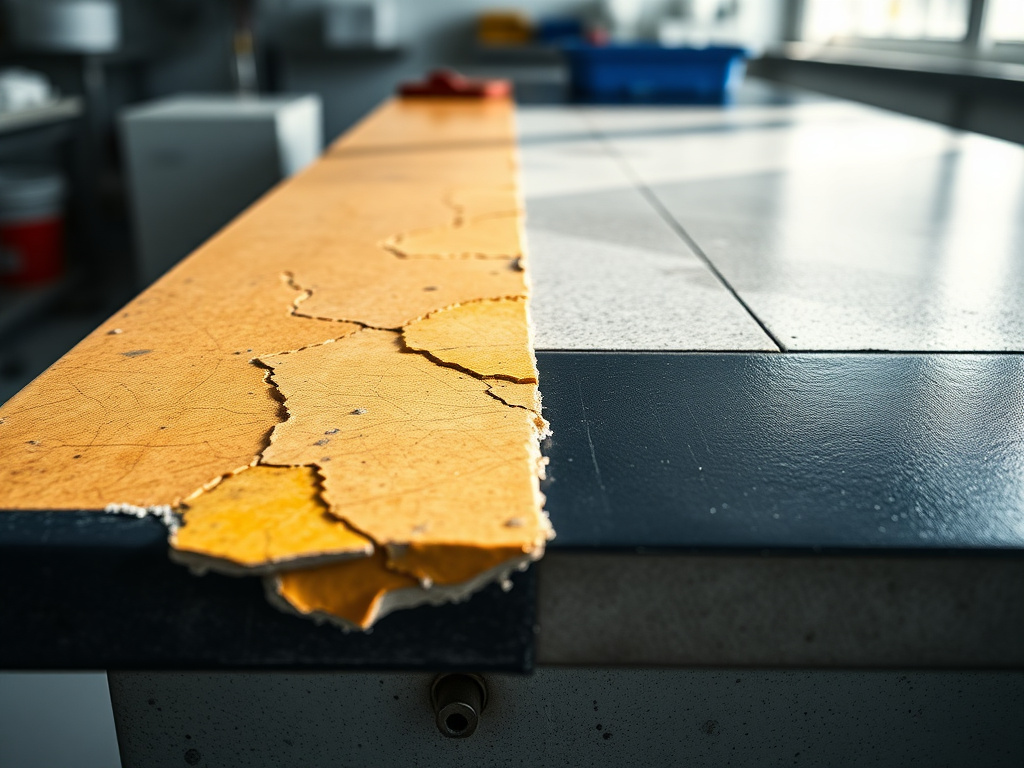
Polyurea vs epoxy, honestly
Epoxy is not garbage — it is the wrong tool for a hot, sun-loaded, thermally cycling Arizona slab. Here is where each one actually wins.
- ✓Polyurea: 4× elongation, survives slab movement and hot-tire pickup
- ✓Polyurea: aliphatic topcoat holds color under direct UV
- ✓Polyurea: return to service in hours, not 5–7 days
- ✓Epoxy: lower material cost, higher build in one pass, fine indoors and shaded
Coating systems
Eight systems, one material family, radically different specifications
A pool deck and a chemical containment berm are both polyurea. They share almost nothing else — different build thickness, different aggregate, different topcoat chemistry, different traction target. We spec each one to the job.
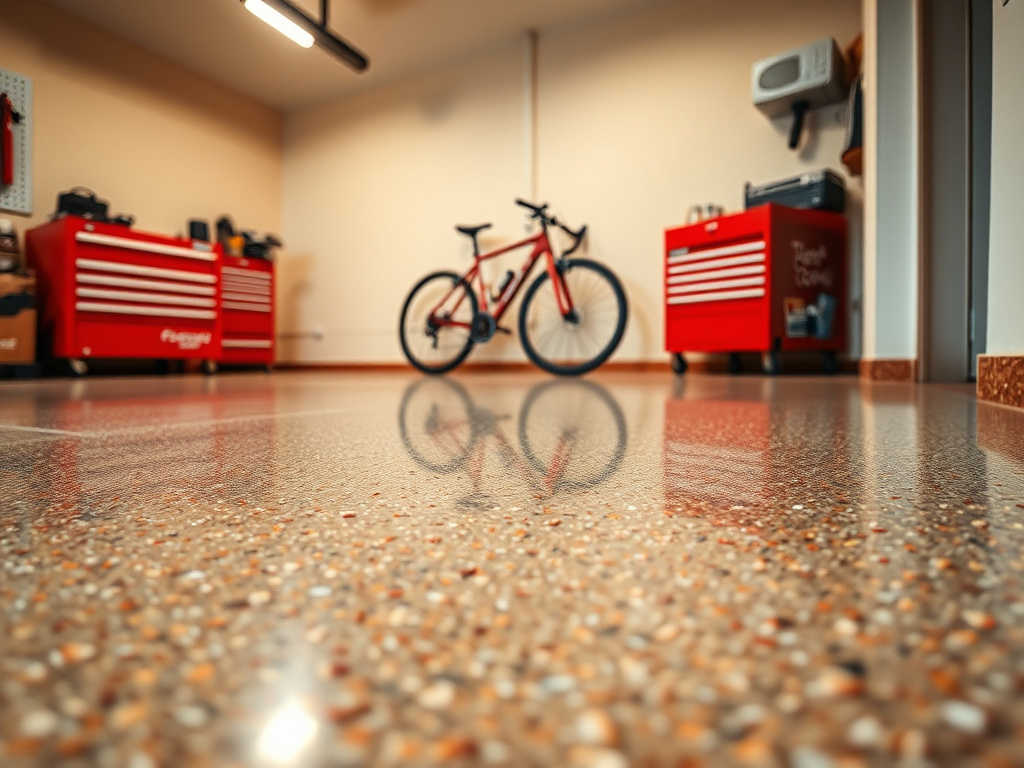
Garage Floor Coatings
One-day polyaspartic flake systems that shrug off hot-tire pickup, monsoon grit and 160°F slab temperatures.
Details →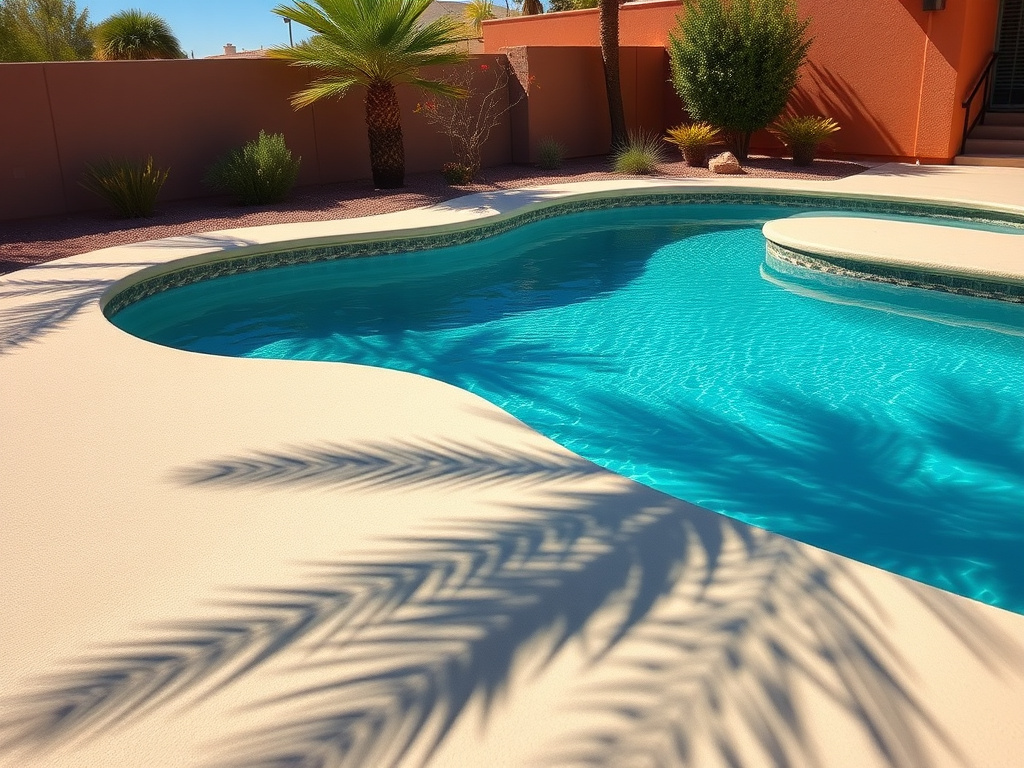
Patio & Pool Deck Coatings
Textured, heat-reflective cool-deck finishes that stay barefoot-friendly through a Phoenix July.
Details →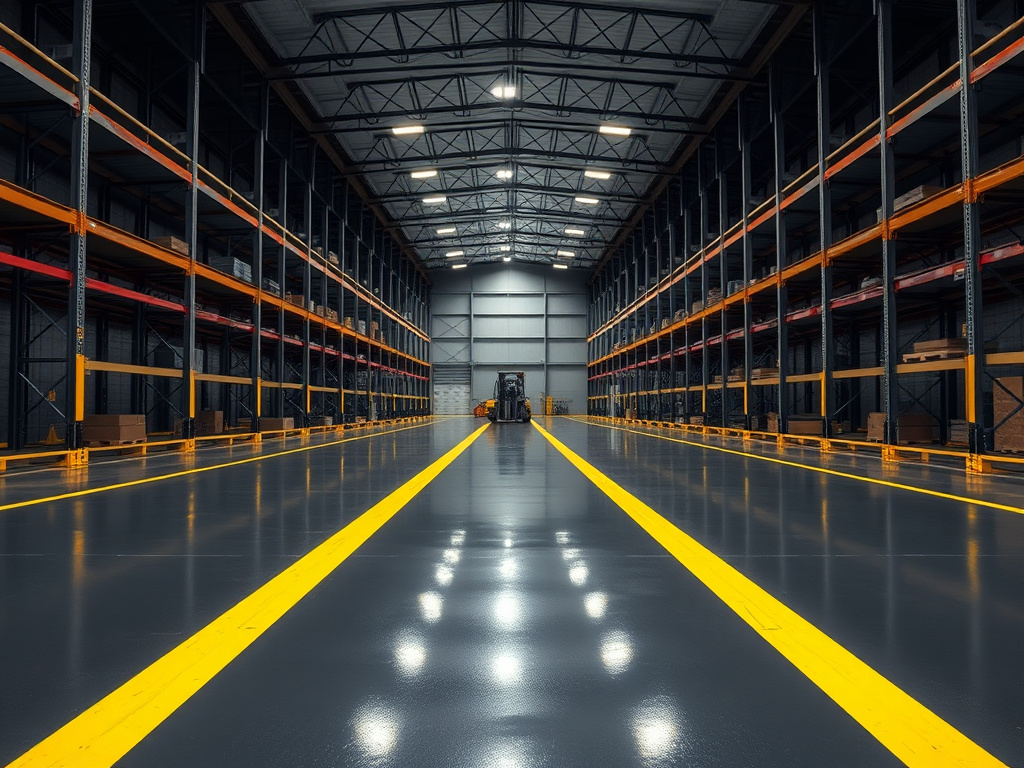
Warehouse & Industrial Floor Coatings
Seamless high-build systems for distribution centers, plants and hangars — back in service the next shift.
Details →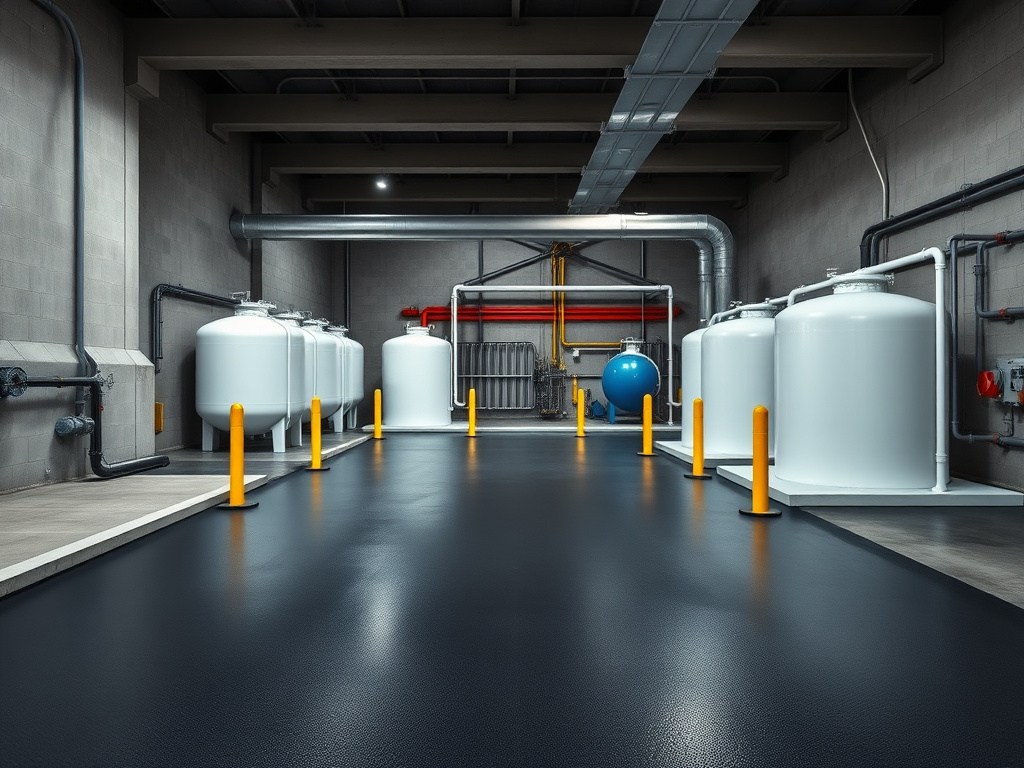
Secondary Containment & Tank Coatings
Monolithic chemical-resistant linings for berms, sumps, trenches and above-ground tank exteriors.
Details →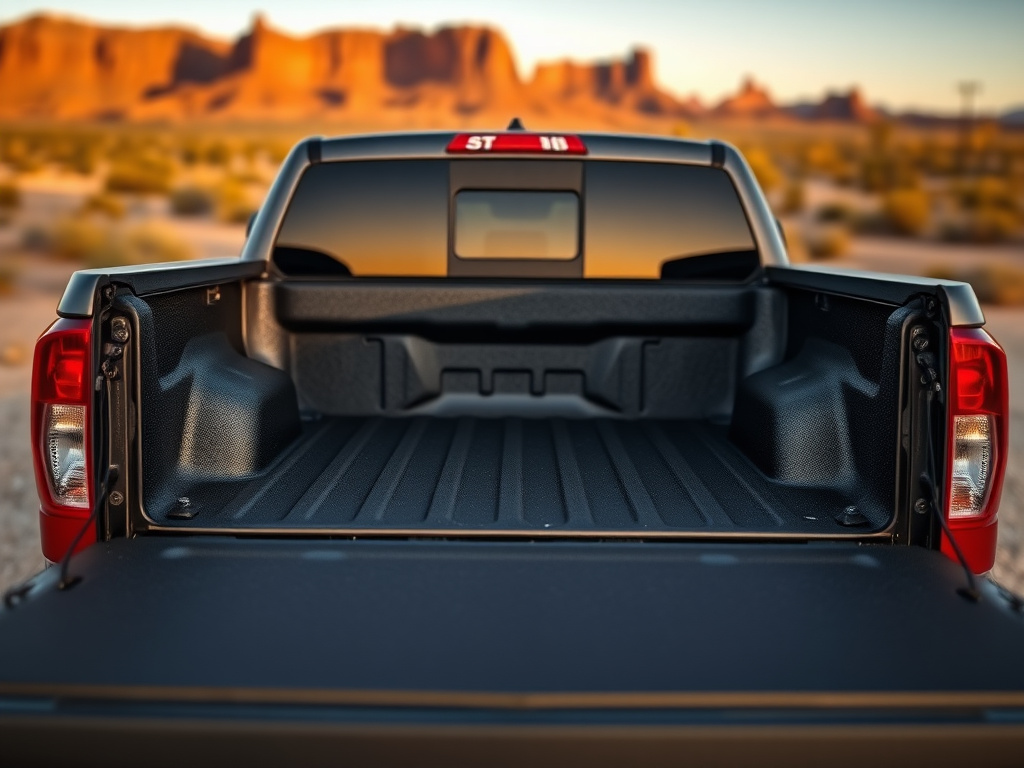
Truck Bed & Trailer Liners
Sprayed-in polyurea liners with real abrasion and impact resistance — beds, trailers, toolboxes and flatbeds.
Details →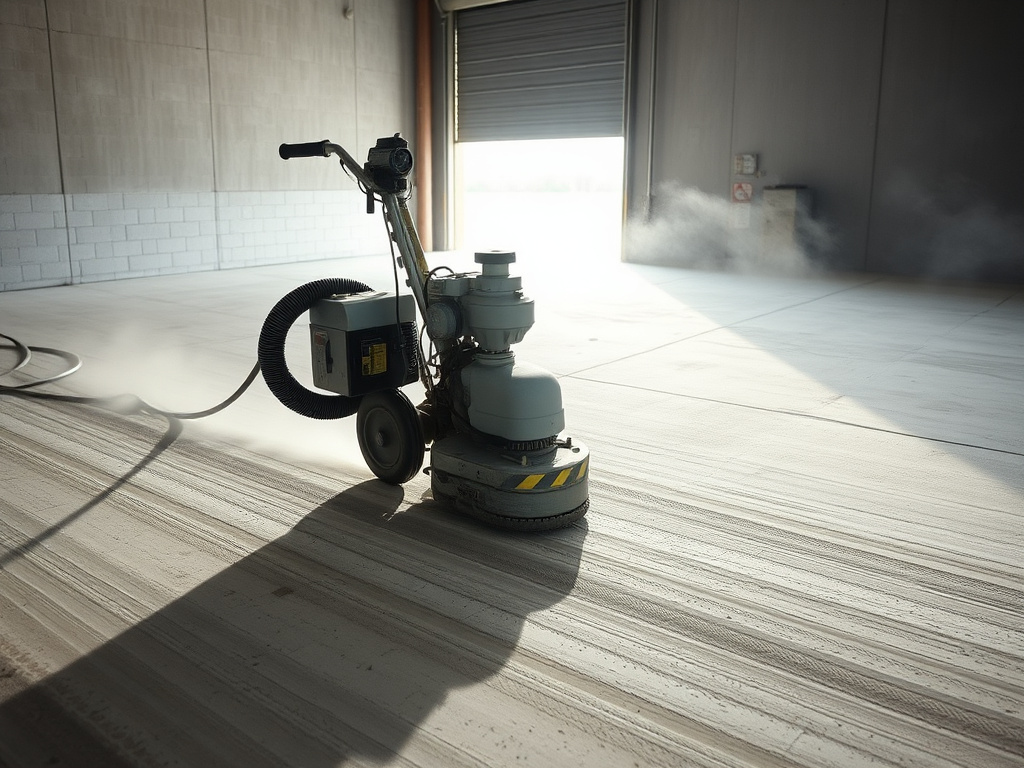
Concrete Preparation & Repair
Diamond grinding, shot blasting, crack chase-and-fill and moisture testing — the half of the job nobody sees.
Details →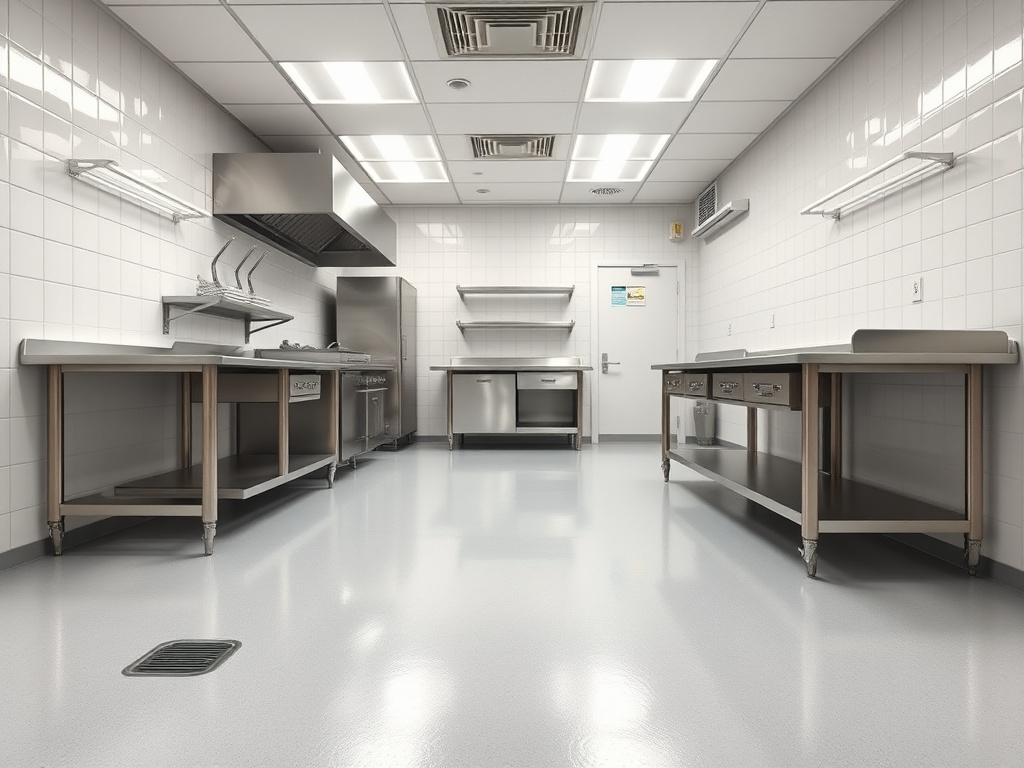
Commercial Kitchen & Food Service Floors
Seamless, sanitary, slip-resistant urethane and polyurea floors with integral cove base for AZ health inspections.
Details →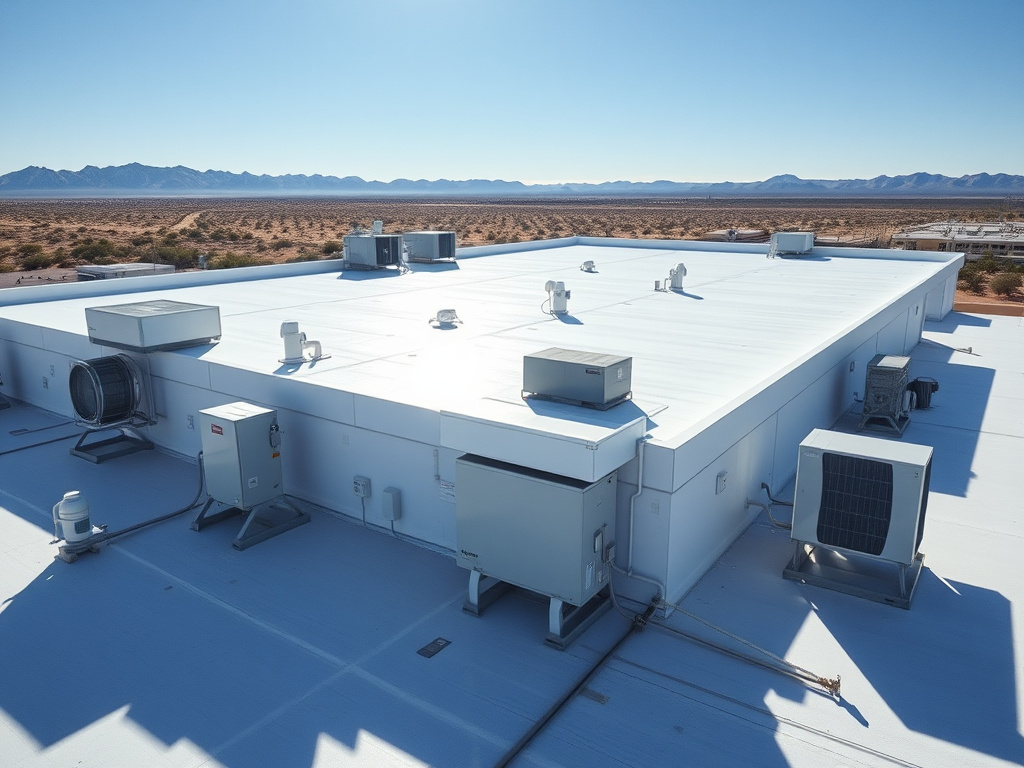
Roof & Tank Exterior Coatings
Reflective seamless membranes that stop leaks and cut roof-surface temperature on Arizona flat roofs.
Details →The install
Five steps, and three of them happen before any coating is opened
Coating failures are prep failures. The material almost never lets go on its own — it lets go of a surface that was never properly profiled, or a slab that was quietly pushing moisture vapor the whole time.
Inspect & Test
Moisture testing, slab profiling, crack mapping and coating-adhesion checks before we quote a single square foot.
Diamond Grind
Mechanical profiling to CSP 2–3 with dust-shrouded grinders or shot blast. No acid etching, ever.
Repair & Patch
Chase and fill cracks, rebuild spalls and joints with polyurea patching compound, then re-grind flush.
Spray-Apply
Plural-component polyurea basecoat at spec mil thickness, with decorative flake or quartz broadcast to refusal.
Topcoat & Seal
Scrape, vacuum and apply the UV-stable aliphatic polyaspartic topcoat with the traction level you selected.
Technical profile
The three numbers that decide whether a floor survives here
5–30 sec
Gel time
Plural-component polyurea gels almost on contact, which is why it can be sprayed vertically on containment walls without sagging and why a floor is back in service the same day. It also means it is not a DIY material — it has to go through heated, proportioned equipment.
−30 to 250°F
Service temperature
The elastomer stays flexible across a band that covers both a 160°F Yuma slab in July and a Flagstaff freeze-thaw night in January. Epoxy's usable window is a fraction of that, which is why a single specification cannot serve the whole state.
300–400%
Elongation
Concrete moves. Slabs shrink, joints open, hairlines telegraph. An elastomeric membrane stretches over that movement and bridges cracks instead of fracturing along them like a rigid thermoset does.
Residential
Garages, patios and pool decks
One-day turnarounds, decorative flake and quartz systems, and a finish that still looks like a finish after five Arizona summers. Most homeowners come to us after a big-box epoxy kit or a low-bid installer has already peeled — the second install is the one that lasts, because it starts with real mechanical prep.
- ✓Full-chip flake, quartz broadcast, solid and metallic finishes
- ✓Integral cove base and clean cut-in at door thresholds
- ✓Hot-tire-pickup resistant across the full summer temperature band
- ✓Slip-resistance tuned per space — a pool deck is not a garage
Commercial & Industrial
Plants, warehouses, containment and fleet
Facility work is scheduled around your production, not ours. Because polyurea returns to service in hours, we can phase a distribution floor bay by bay, coat over a weekend shutdown, or line a containment berm between deliveries without shutting the site down for a week of epoxy cure.
- ✓Seamless monolithic linings for berms, sumps, trenches and pits
- ✓High-build systems rated for forklift and steel-wheel traffic
- ✓Chemical-resistant specifications matched to your stored products
- ✓Night, weekend and phased installs to protect uptime
Statewide reach
One state, three completely different coating climates
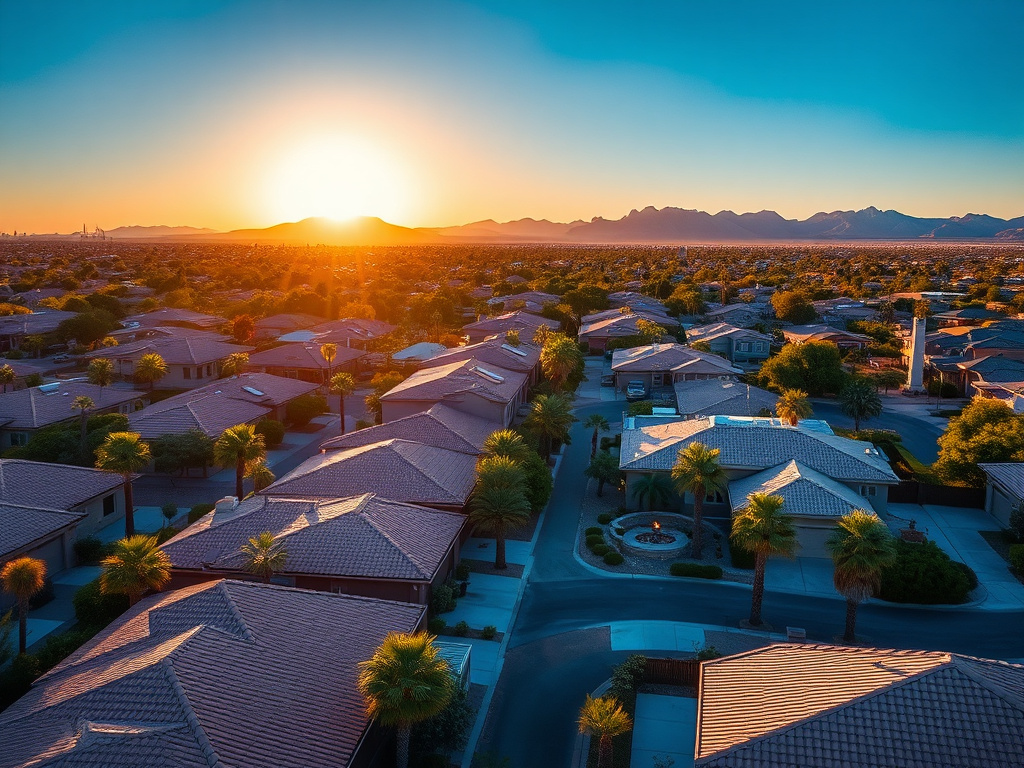
Most Arizona coating companies are Valley companies. We are not — and the reason matters technically, not just logistically. The low desert, the mid-elevation corridor and the high country each punish a floor differently.
In Phoenix, Mesa, Chandler, Gilbert and Scottsdale the enemy is heat and UV: slab temperature, hot-tire pickup, and topcoat ambering. In Tucson and the southern corridor, monsoon-driven moisture vapor drive through older slabs becomes the dominant failure mode. Above 5,000 feet in Flagstaff and Prescott the problem inverts entirely — freeze-thaw cycling and de-icing salt attack demand a flexible, salt-tolerant build with a different primer strategy.
Same material family, three different specifications. If a bid does not change when the elevation changes, that is a bid worth questioning.
Straight answers
The questions people actually ask
Including the skeptical ones. If polyurea is the wrong call for your slab, we would rather tell you before you pay for it.
Read all 24 questionsWhat is a polyurea coating?
+
Polyurea is a two-component elastomeric coating formed when an isocyanate and an amine-terminated resin react on contact. That reaction is nearly instant, which is why a sprayed polyurea floor can be gelled in seconds and walked on in hours instead of days. It cures into a seamless, flexible, chemical-resistant membrane that bonds to properly prepared concrete and moves with the slab instead of cracking off it.
Is polyurea stronger than epoxy?
+
In the ways that matter on an Arizona floor, yes. Epoxy is harder but brittle; polyurea is roughly four times more flexible and far more impact- and abrasion-tolerant. Epoxy also has a low glass-transition temperature and ambers badly under UV. Polyurea with an aliphatic polyaspartic topcoat stays flexible through 140°F slab temperatures and holds color under direct Sonoran sun.
How long does a polyurea garage floor take to install?
+
Most residential garages are a single day. Crews grind in the morning, patch and prime, broadcast flake, and apply the polyaspartic topcoat the same afternoon. You can typically walk on it that evening and park on it in 24 hours. Large commercial slabs are phased so you never lose the whole facility at once.
How much does a polyurea garage floor cost in Arizona?
+
Pricing is driven by square footage, slab condition and finish. A straightforward two-car garage on sound concrete sits at the low end; a slab that needs crack chasing, spall repair, moisture mitigation or old coating removal costs more because prep is most of the labor. We scope every job on site and give you an itemized number before anything is ground.
How long does a polyurea floor last?
+
A properly prepped and correctly built polyurea/polyaspartic system routinely runs 15 to 20 years in a residential garage and 10 or more in heavy industrial traffic. Failures almost never come from the coating chemistry — they come from skipped mechanical prep, moisture in the slab, or a thin single-coat install.
Do you grind the concrete or acid-etch it?
+
We grind, always. Diamond grinding and shot blasting create a measurable surface profile the coating can key into. Acid etching leaves a weak, inconsistent profile and is the single most common reason a garage floor coating peels up in sheets a year later.
Can polyurea be installed over an existing epoxy floor?
+
Sometimes, but only after testing. If the existing coating is well bonded and passes an adhesion pull test, we can abrade and recoat. If it is delaminating, blushing, or was installed over an etched slab, it has to come off — otherwise the new system is only as strong as the failed one underneath it.
Do you serve all of Arizona or just the Phoenix metro?
+
Statewide. Phoenix, Mesa, Scottsdale, Chandler and Gilbert are our densest routes, but we regularly run crews to Tucson, Flagstaff, Prescott and the surrounding communities. High-country jobs get a different specification than Valley jobs because freeze-thaw cycling is a real design factor above 5,000 feet.
Get a free coating quote
Tell us the space, the slab and the finish you want. We'll come back with a scoped, itemized number — no obligation.