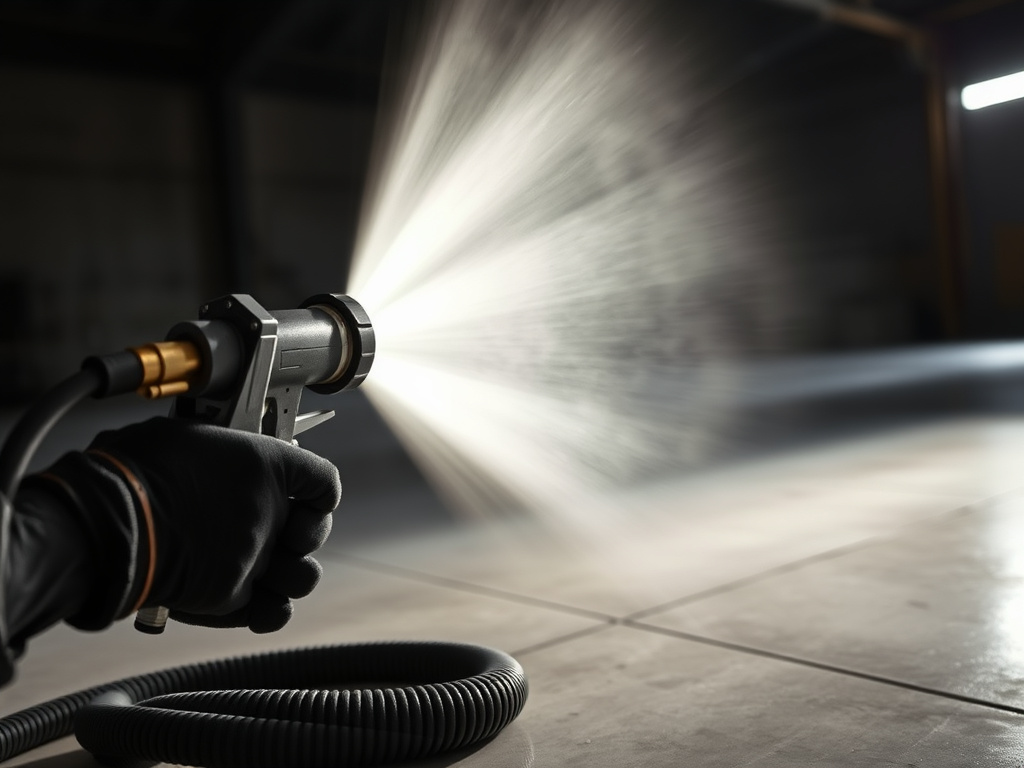
Coating systems · Arizona statewide
Eight Coating Systems, One Material Family
Polyurea, polyaspartic and urethane systems for residential garages, pool decks, industrial floors, kitchens, containment, roofs and vehicle liners — each specified for the job, not sold from a catalog.
8
Coating systems
1 Day
Typical residential install
15 Yr
System warranty
Statewide
Arizona service area
How to read this page
The material is the same. The specification is not.
Every system on this page comes from the same chemistry family — two-component elastomers built from an isocyanate and an amine or aspartic co-reactant, cured in seconds rather than days. That shared origin is why one contractor can credibly install a residential garage floor on Monday and a chemical containment lining on Tuesday. What changes between them is not the family; it is the build thickness, the aggregate, the primer, the topcoat chemistry and the traction target.
A homeowner comparing bids is usually looking at a decorative decision. A facility manager is usually looking at a downtime decision. Both are actually engineering decisions, and both go wrong in the same way — a system selected on price per square foot rather than on what the floor has to survive. A quarter-inch urethane mortar floor under a shelving rack in dry storage is a waste of money. A 20-mil roller- applied product in a dish pit is a failure with a start date.
So we sell specifications, not products. Below are the eight systems we install, followed by the framework we actually use on site to decide which one belongs in your space. If you read nothing else, read the decision matrix — it will tell you more about your project than any brochure.
The system underneath all eight
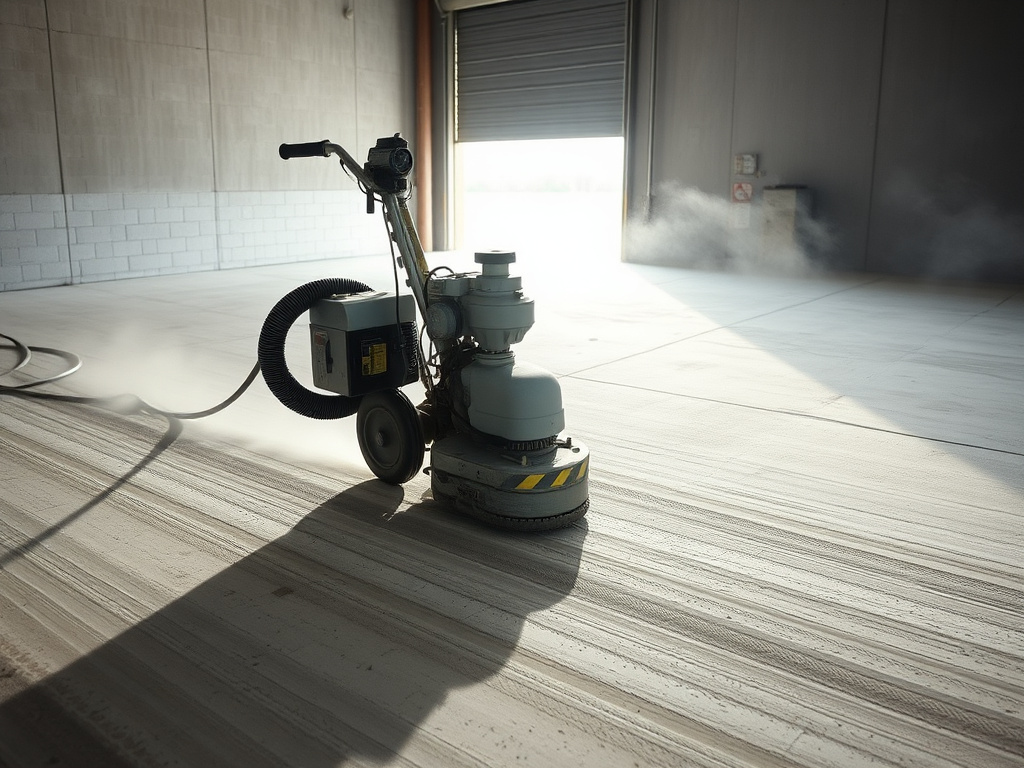
Every one of these installs shares the same first half: moisture testing, mechanical profiling, crack and spall repair, and primer selection. Coatings do not usually fail as chemistry. They fail as adhesion, and adhesion is decided before a single gallon is opened.
- ✓Diamond grinding or shot blast to a measured surface profile — never acid etching
- ✓Calcium chloride and relative humidity testing where vapor drive is suspected
- ✓Adhesion pull testing on any existing coating before we recoat it
Services
Every system we install, statewide
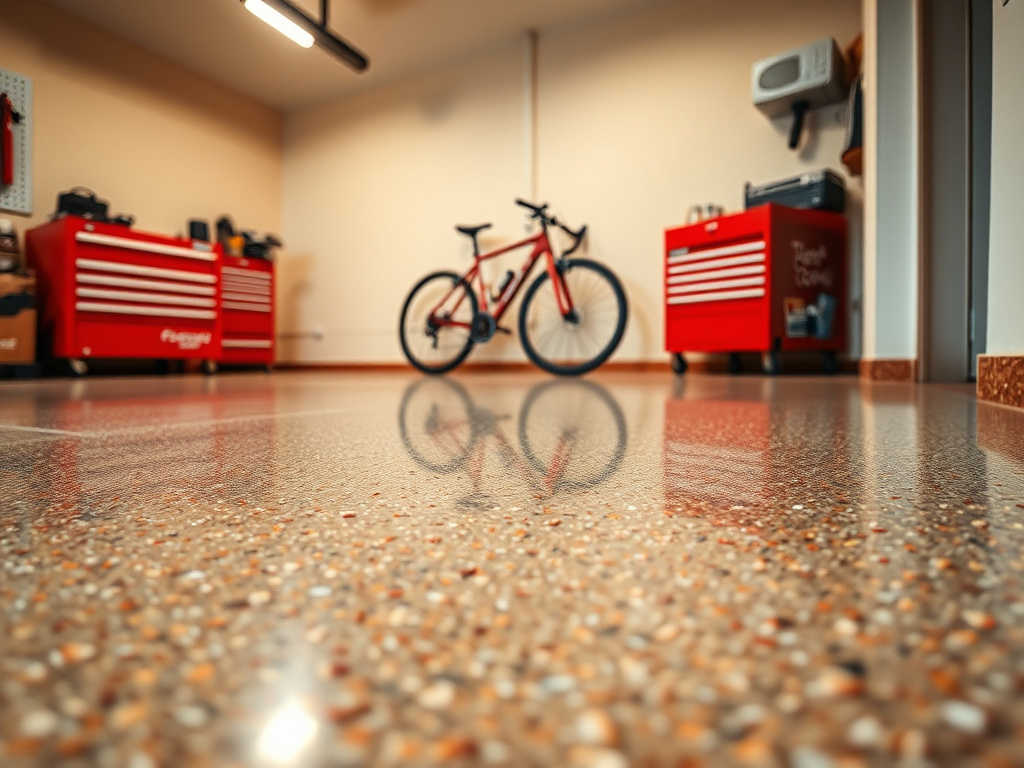
Garage Floor Coatings
One-day polyaspartic flake systems that shrug off hot-tire pickup, monsoon grit and 160°F slab temperatures.
Explore this system →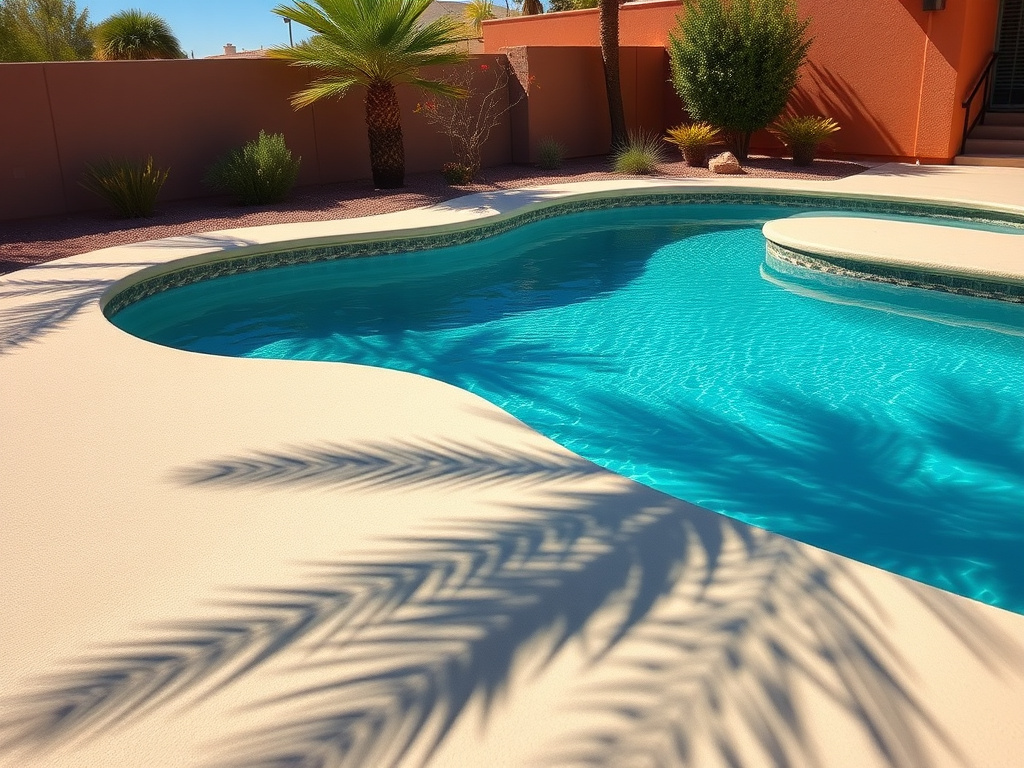
Patio & Pool Deck Coatings
Textured, heat-reflective cool-deck finishes that stay barefoot-friendly through a Phoenix July.
Explore this system →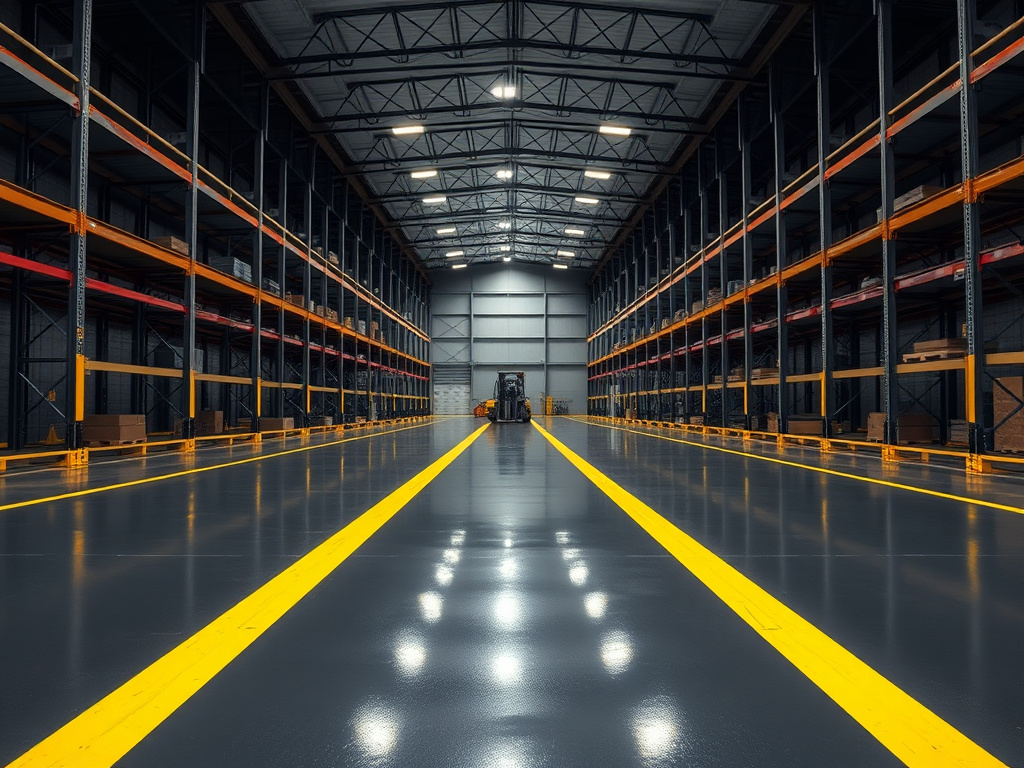
Warehouse & Industrial Floor Coatings
Seamless high-build systems for distribution centers, plants and hangars — back in service the next shift.
Explore this system →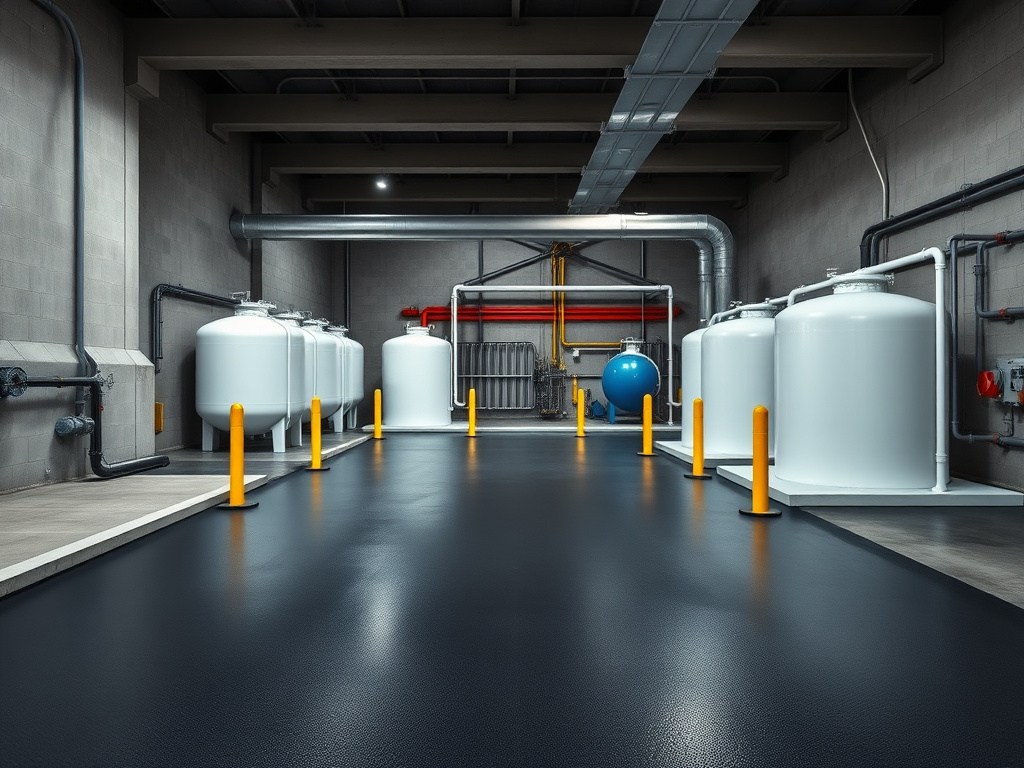
Secondary Containment & Tank Coatings
Monolithic chemical-resistant linings for berms, sumps, trenches and above-ground tank exteriors.
Explore this system →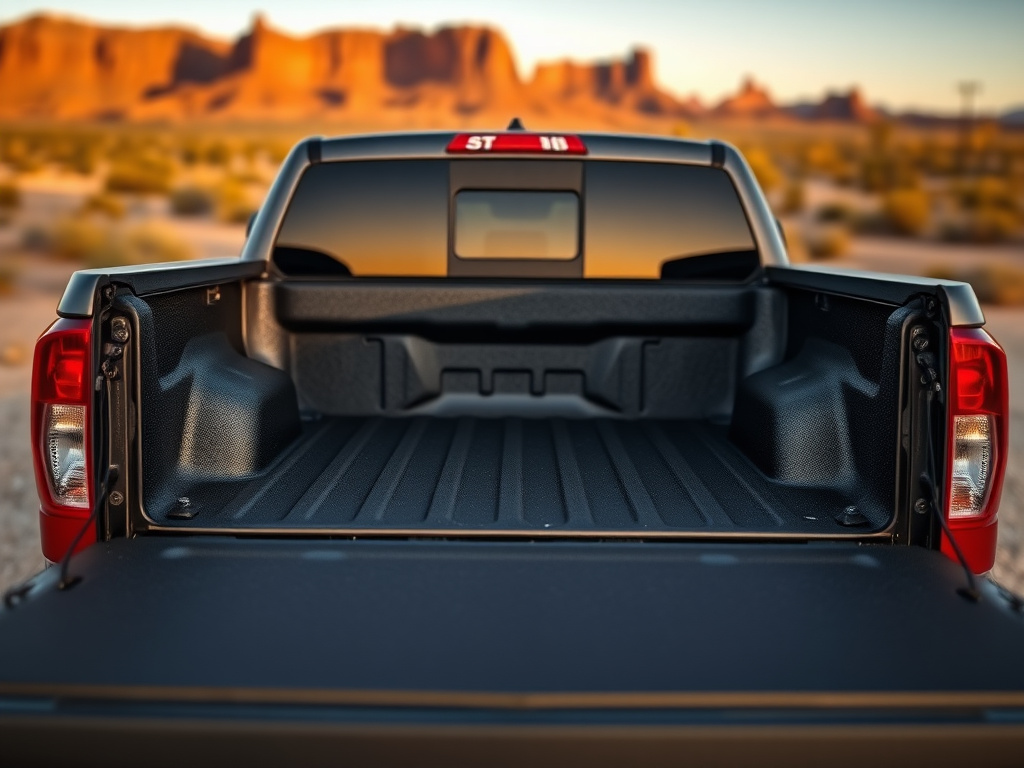
Truck Bed & Trailer Liners
Sprayed-in polyurea liners with real abrasion and impact resistance — beds, trailers, toolboxes and flatbeds.
Explore this system →Concrete Preparation & Repair
Diamond grinding, shot blasting, crack chase-and-fill and moisture testing — the half of the job nobody sees.
Explore this system →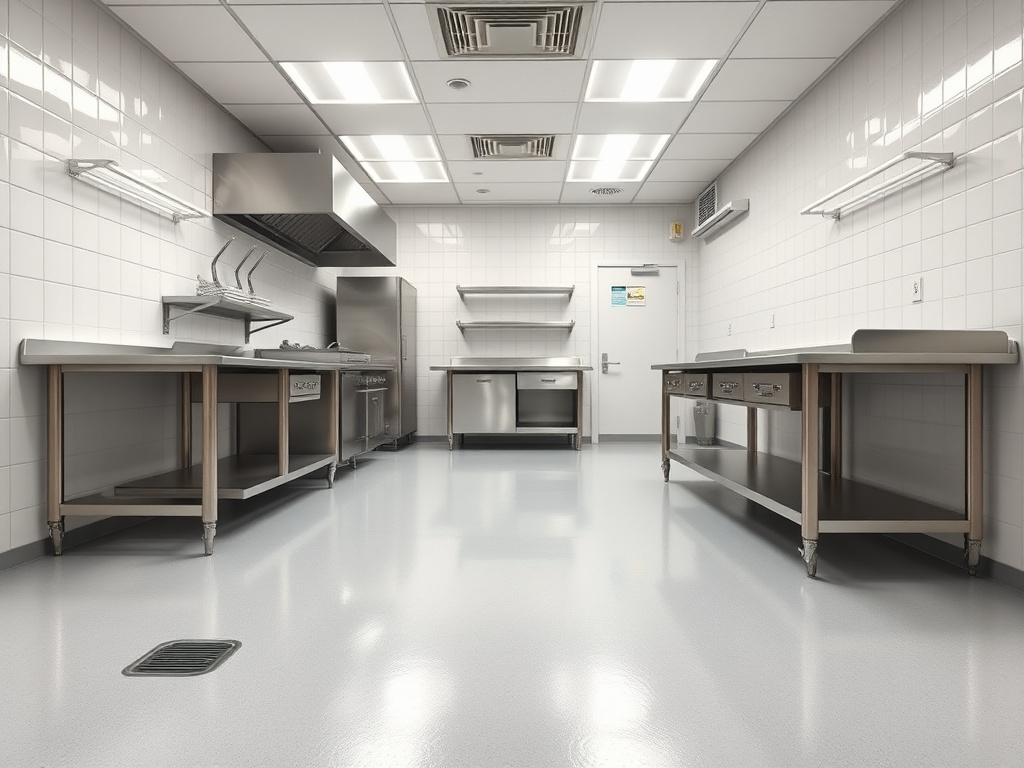
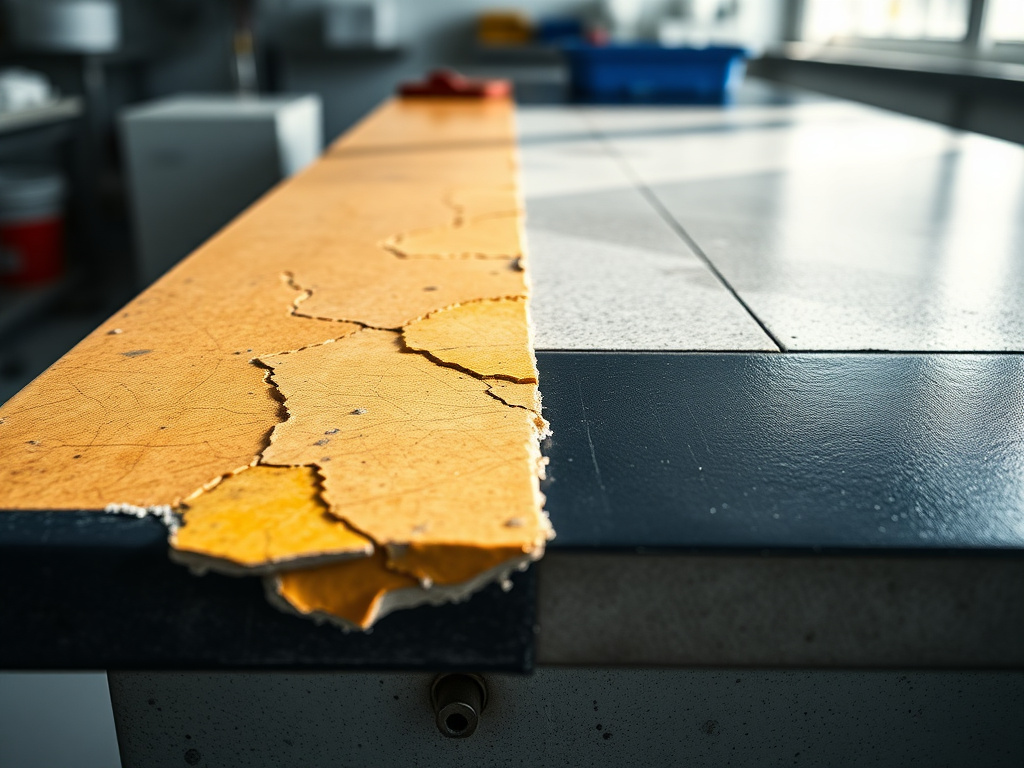
Commercial Kitchen & Food Service Floors
Seamless, sanitary, slip-resistant urethane and polyurea floors with integral cove base for AZ health inspections.
Explore this system →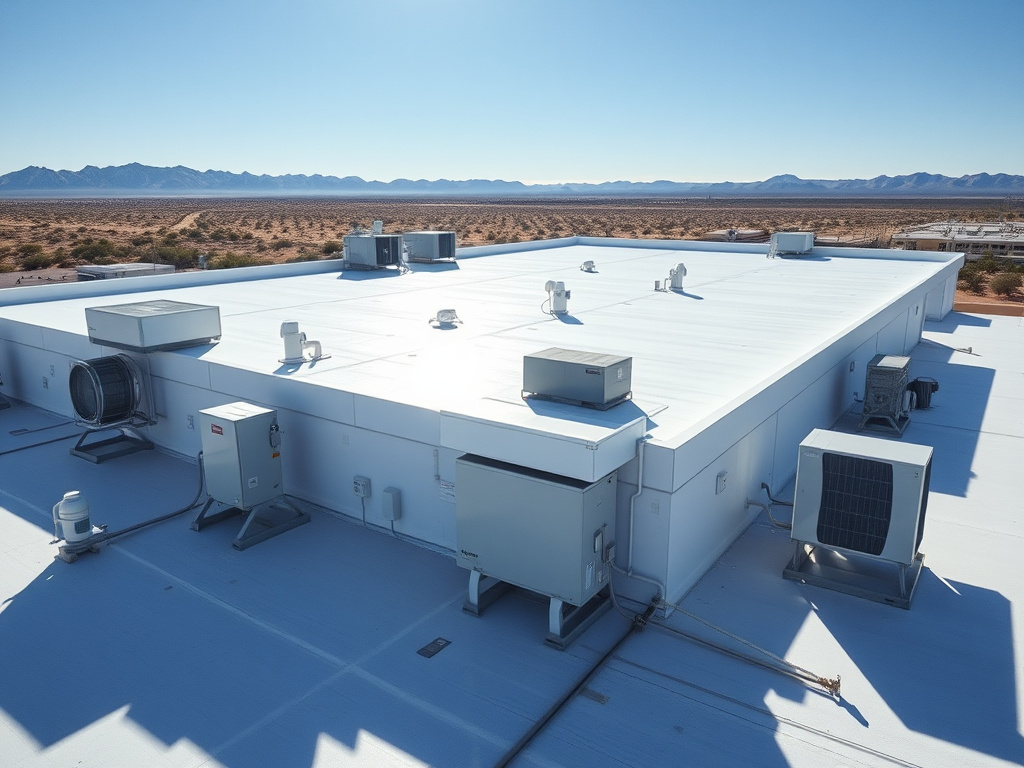
Roof & Tank Exterior Coatings
Reflective seamless membranes that stop leaks and cut roof-surface temperature on Arizona flat roofs.
Explore this system →First fork in the decision
Residential and commercial are not the same project with different square footage
They optimize for opposite things, and confusing the two is the most common reason a coating disappoints the person who paid for it.
Residential optimizes for appearance and permanence
A garage floor or a pool deck is looked at every single day, so color, flake pattern, gloss level and clean edge lines carry real weight. The traffic is light — two vehicles and some foot traffic — but the thermal and UV load in Arizona is brutal, and the owner expects the floor to look new in year eight. That pushes the specification toward full-broadcast flake systems with a UV-stable aliphatic topcoat, decorative rather than industrial aggregate, and careful detailing at thresholds and cove lines.
Downtime tolerance is usually a single day, which fast-cure chemistry handles easily. Budget sensitivity is high, so honesty about where money should and should not go matters more here than anywhere else.
Commercial optimizes for uptime and survival
Nobody in a distribution center cares what the floor looks like in a photograph. They care that a loaded forklift does not gouge it, that a spilled drum does not eat it, that the striping stays legible, and above all that the building keeps running while it is installed. That pushes the specification toward high-build systems, aggressive mechanical prep, chemical resistance matched to the actual stored products, and a phased installation schedule.
The economics invert too. On a commercial floor the cost of closing the facility for a week of epoxy cure almost always exceeds the extra material cost of a fast-cure system — which is the real reason polyurea dominates industrial work.
The decision matrix
Six questions that select the system
This is genuinely the sequence we run through on a site visit. Answer these six and the system almost picks itself — which is also a decent way to audit a bid you have already received from somebody else.
- ✓If a bid does not state a mil thickness, it is not a specification
- ✓If it says acid etch instead of grind, walk away
- ✓If the same topcoat is quoted indoors and in full sun, ask why
- ✓If nobody moisture tested the slab, the warranty is decorative
| Traffic type | Foot and passenger vehicles → flake polyaspartic. Pallet jacks and forklifts → high-build polyurea. Steel wheels and dropped tooling → maximum build with impact-rated aggregate. |
|---|---|
| Chemical exposure | Household and automotive fluids → standard topcoat. Food acids, fats and sanitizers → urethane mortar body with chemical-resistant seal. Solvents, fuels and process chemicals → containment-grade lining specified to the stored product. |
| UV exposure | Interior or fully shaded → topcoat chemistry is flexible. Any direct sun → aliphatic or silicone topcoat is mandatory, not optional. Bare aromatic membrane outdoors will amber and chalk. |
| Moisture and washdown | Dry slab → standard primer. Elevated vapor drive → moisture-mitigating primer after testing. Hot-water or steam washdown → urethane mortar with thermal expansion matched to concrete. |
| Slip resistance target | Barefoot wet areas around pools → fine texture, cool-touch pigment. Grease and water zones → aggressive graded aggregate. Clean dry aisles → light texture so mopping and burnishing stay practical. |
| Downtime tolerance | Cannot close at all → phased night installs with fast-cure chemistry. One weekend available → most commercial floors fit. Facility is empty → the cheapest scenario, and the fastest. |
Used on every site visit. The answers drive build thickness, aggregate grade, primer and topcoat chemistry.
How the eight group together
Three clusters, and most projects sit in one
Almost nobody needs all eight systems. Almost everybody needs two or three from the same cluster, which is why we scope the whole property rather than the one floor you called about.
Residential & decorative
Garage floors, patios, pool decks and driveways. Flake and quartz broadcast systems, cool-touch pigments where bare feet are involved, and a UV-stable topcoat throughout because nothing in an Arizona backyard is shaded for long.
Commercial & industrial
Warehouses, plants, hangars, commercial kitchens and containment areas. High build, chemical resistance specified to what is actually stored on site, striping and zone marking, and installation phased around production.
Exterior envelope & vehicle
Flat roofs, above-ground tank exteriors and sprayed vehicle liners. Everything in this cluster lives in full sun and full thermal cycling, so aliphatic and silicone topcoat chemistry is non-negotiable.
Before you choose a system
Two pages that will save you money on this project
If you are still deciding between chemistries, read the full polyurea versus epoxy comparison. It is deliberately even-handed, including the several scenarios where epoxy is the better and cheaper answer and we will tell you so.
If your property is outside the Phoenix metro, read the Arizona service areas page. Elevation genuinely changes the specification — a Flagstaff slab that freezes and takes de-icing salt needs a different primer strategy and a different topcoat than a Chandler garage that hits 140°F. Any contractor quoting the same build in both places is quoting one of them wrong.
Then call 844-967-5247 or send the details through the quote form. We scope on site, test the slab, and put the specification in writing before anything is ground.
Get a free coating quote
Tell us the space, the slab and the finish you want. We'll come back with a scoped, itemized number — no obligation.